

29 Nov Application of metabarcoding for bacterial and fungal diversity monitoring in PhytoSUDOE sites
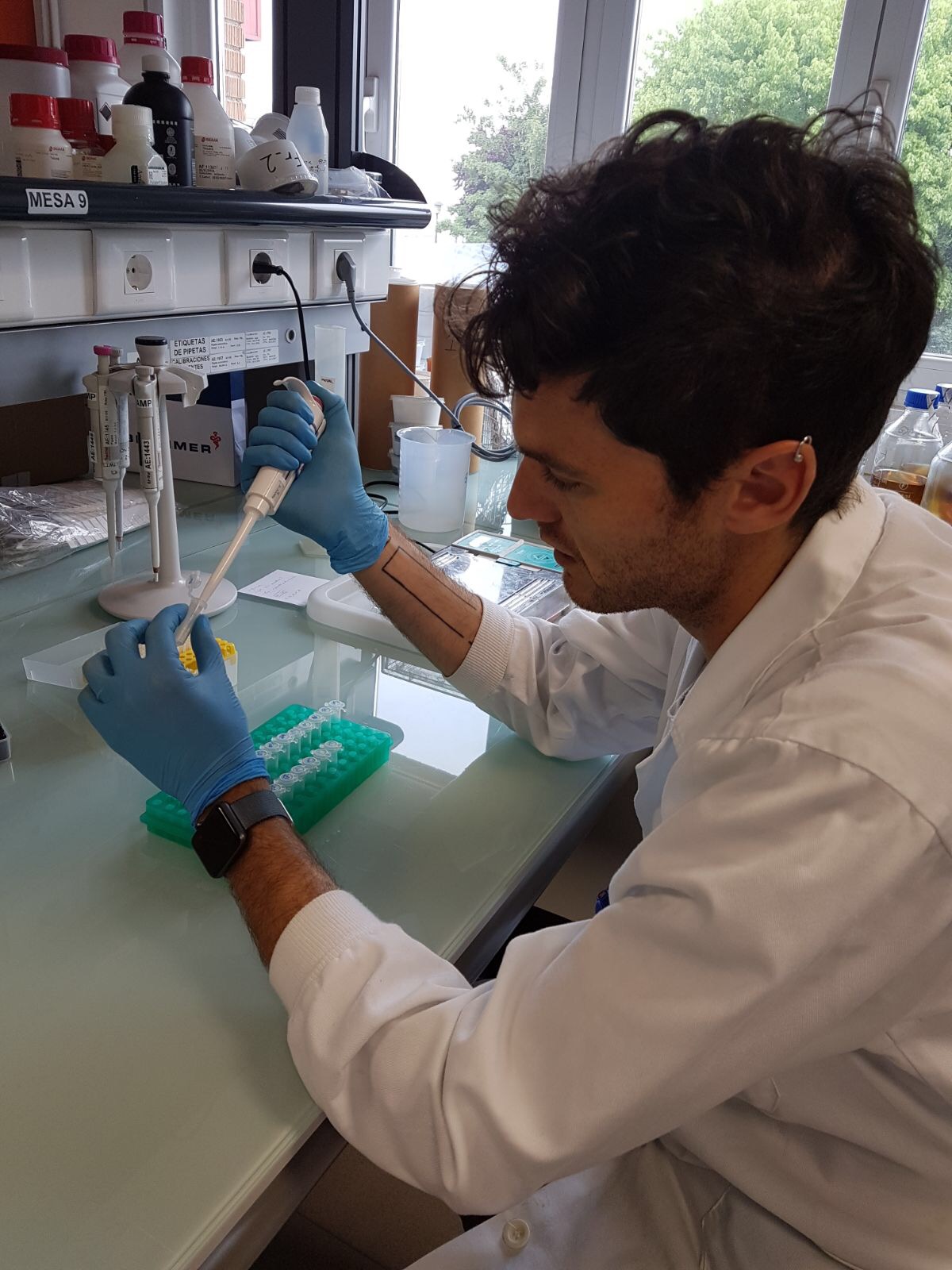
Since the year 2005, the so-called Next Generation Sequencing (NGS) allows massive parallel sequencing that affords maximal DNA sequence identification for a certain simple. By applying NGS technologies, metabarcoding nowadays represents a rapid method of biodiversity assessment that combines two technologies: DNA based identification and high-throughput DNA sequencing. It uses universal PCR primers to mass-amplify DNA Barcodes from mass collections of organisms or from environmental DNA. The PCR product is then sent to a next generation sequencer and the result is a wealth of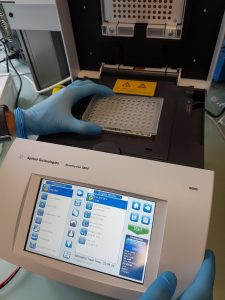 DNA sequences.
Bacteria and fungi are important mediators of biogeochemical processes and play essential roles in the establishment of plant communities. To asses which organisms are present in one or other group, PCR primers should be selected to be conserved enough to amplify the maximum number of organisms in the group, but with sufficient resolution to discern families / genera that accomplishes different functions in the ecosystem.
From the Soil Microbial Ecology Group of our partner NEIKER, scientists are already advancing in the NGS of DNA of bacteria and fungi for the analysis of the diversity within the samples of the different sites in which we are carrying out phytomanagement tasks in PhytoSUDOE.
So far, they have already analyzed the genetic diversity of the 16S rRNA gene for bacteria and the ITS gene for fungi at the sites S1 (St Medar d’Eyrans, France), S7 (Piedrafita, Spain) and S8 (Touro, Spain). We hope soon to have interesting data that allow us to evaluate the effect on the microbial diversity of the different phytomanagement options that are being carried out in these areas.