27 Feb PHYTOSUDOE IN THE WEEK OF SCIENCE AND TECHNOLOGY AT CSIC
During the month of November the Institute of Agrobiological Research of Galicia (IIAG-CSIC) of the CSIC celebrated its ninth edition of Biodiversión training workshops. This activity aims to bring science closer to 5th and 6th grade students, with the main objective being to promote scientific interest at an early age, their interest in research and investigation, as well as raising their ecological awareness of their surrounding environment. Three sessions were held (13th, 15th and 17th of November), which included several practical workshops.
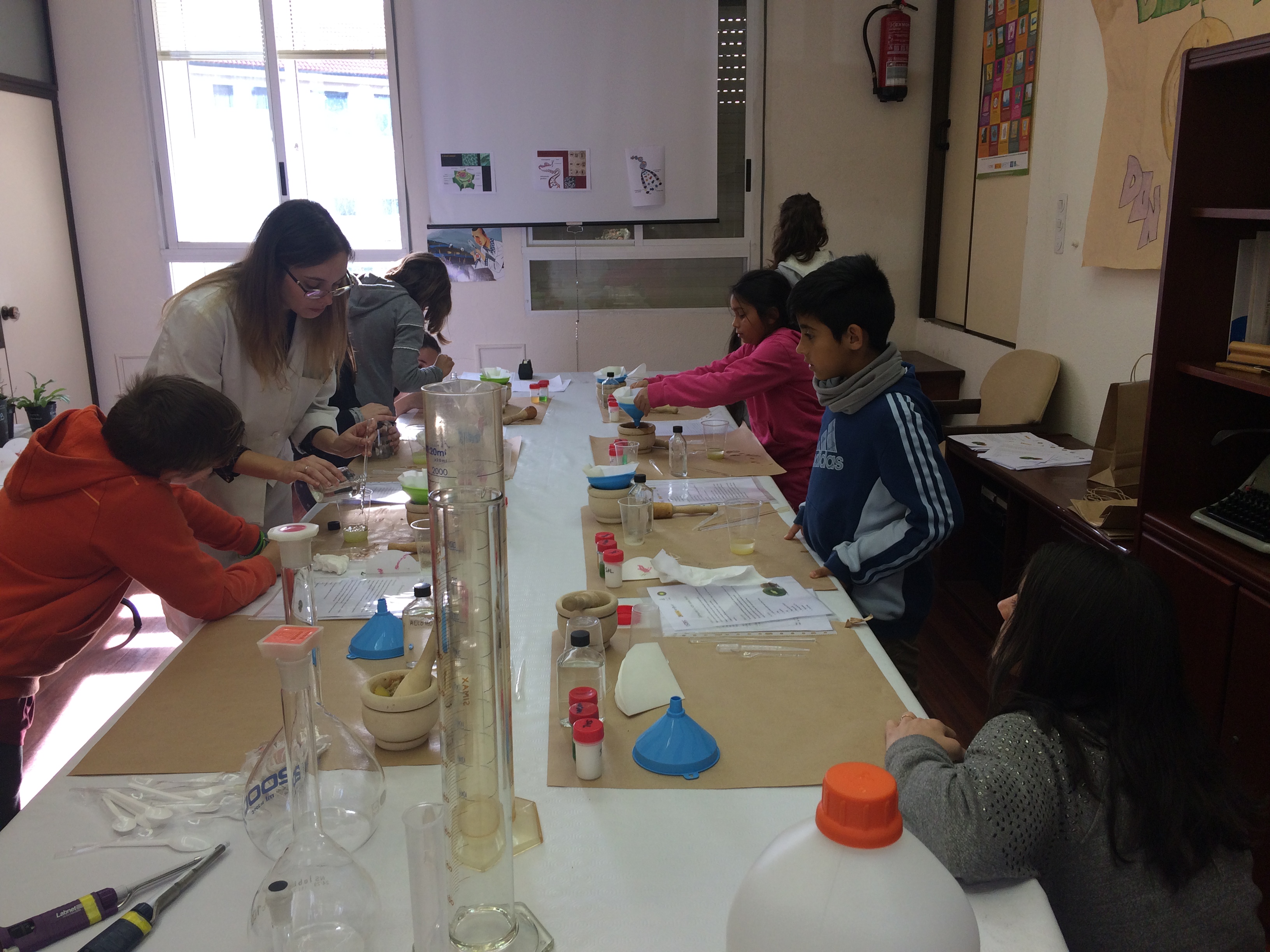
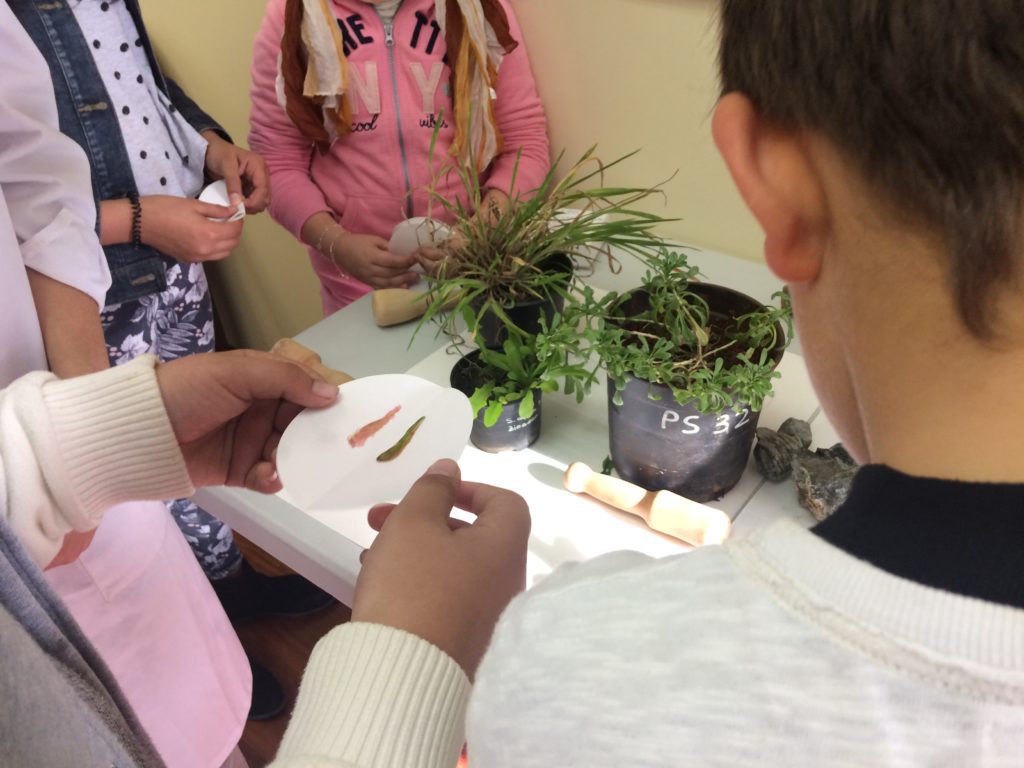
The Soil Microbiology and Soil Enzyme groups participating in the PhytoSUDOE Project held two workshops. One of them focused on the extraction of DNA using a piece of fruit and products that form part of everyday life, as well as on the identification of nickel hyperaccumulator plants that can be used in phytoextraction or phytoremediation processes. Likewise, the PhytoSUDOE Project and its main objectives related to the recovery and decontamination of mining areas affected by high contents of trace metals in Galicia were presented. The workshops included short presentations aimed at increasing the knowledge of the students in the main characteristics of DNA, its importance as an essential molecule in all living beings, and a simple description of its structure.
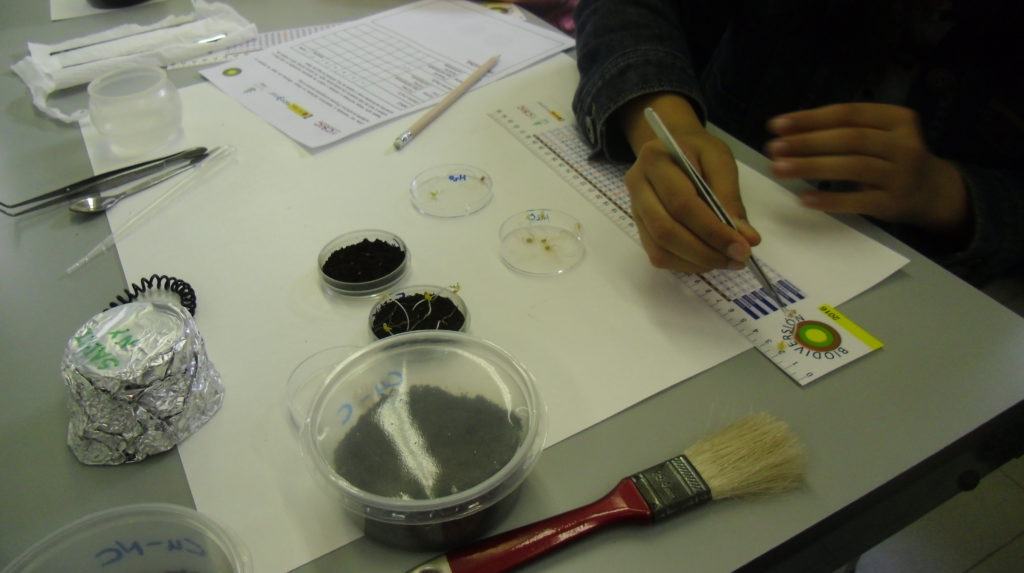
In a second workshop, using a phytotoxicity test, the toxic effects of certain compounds on the germination, development and growth of watercress seed (Lepidium sativum L.), the species most commonly used in this type of studies, was evaluated. For this, watercress seeds are sown in different types of soil that are weighed by the students and placed in Petri dishes. Once germinated (it takes four days for them to germinate, so the class monitors have material prepared in advance) the differences in seed growth between contaminated soils and uncontaminated soils (measurements taken with ruler) are compared.
In this edition, students were received from the fifth and sixth grades of the CEIP Apóstol Santiago and fifth grade of the CEIP Lamas de Abade of Santiago de Compostela. In each session the workshop was repeated several times to small groups (5-7) of students so that the participation is more active and allows a greater dedication to each group. In total, the workshop was held 12 times and about 75 students attended.