

27 Jan Progress in sites S5 and S6 (Vitoria-Gasteiz; Basque Country)
Actions on the ground:
Due to the uncontrolled dumping made in the past in these areas, a preliminary field sampling and contamination analysis was carried out. From this characterization, one plot was classified as degraded (uncontaminated but degraded; S6) and two as contaminated (S5a and S5b). Subsequently, the soil was worked with machinery (tillage, stone removal and profiling) removing all the residues present in the area that would later hinder work. Each experimental plot was subdivided into 18 subplots to make the replicates of the different treatments.
Biocompost was then applied from the organic fraction of the municipal waste of Vitoria-gasteiz in plot S6; soil was then sampled after the organic amendment for agronomic characterization prior to the future installation of vegetation, planned for spring 2017. In the case of S5a and S5b plots, a more in-depth analysis of contamination in the surface was first made, and later also was applied biocompost, with the intention to make an agronomic characterization as with the plot S6.
Actions in tree nursery:
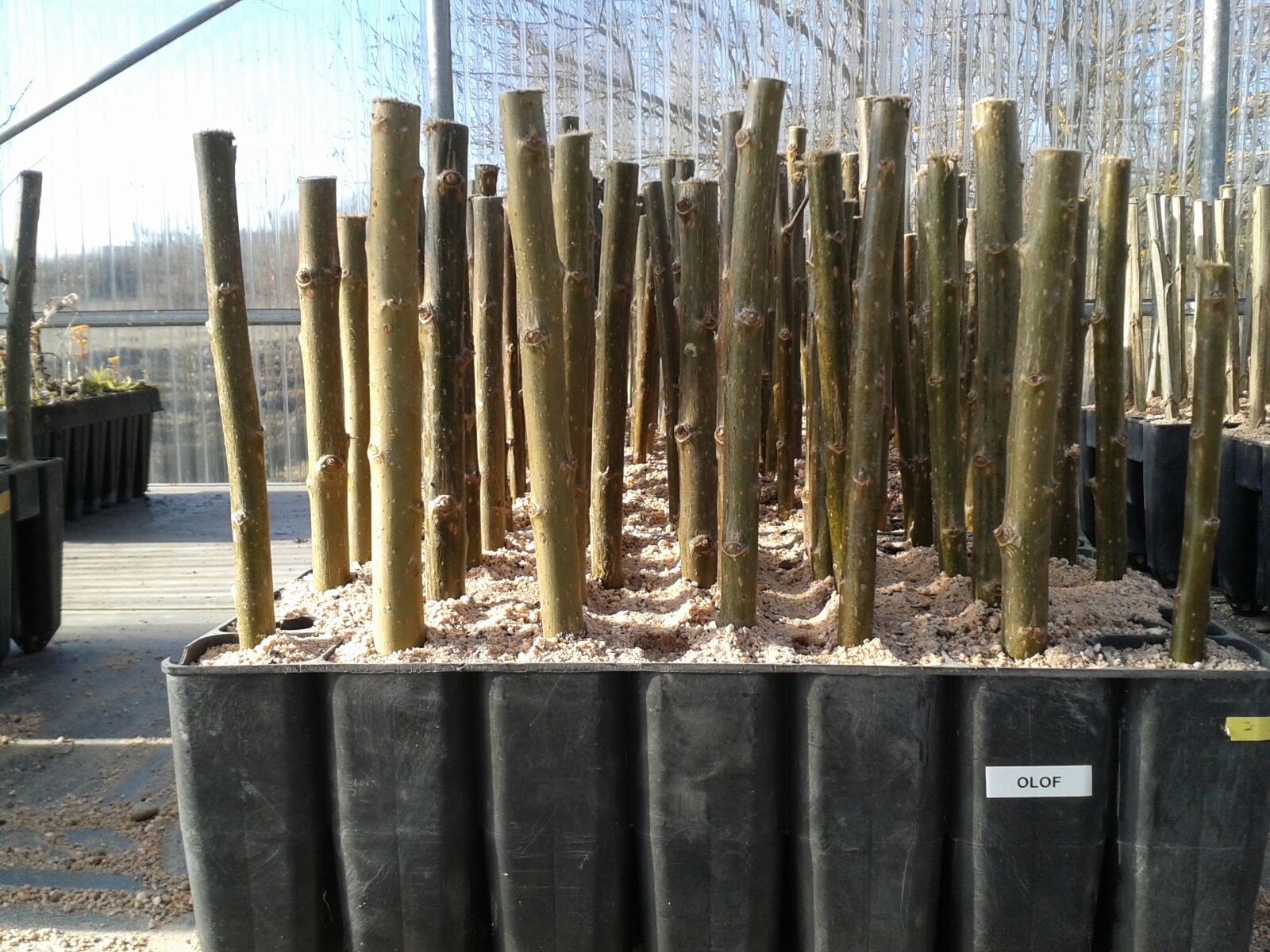
In January 2017, the preparation of the forest plant is being carried out in the nurseries of the Environmental Studies Centre (CEA). Specifically, poplars (Populus x canadensis cultivars AF18 and Baldo) and willows (Salix viminalis x schwerinii cultivar Olof). The tree pots have been prepared with a mixture of sand and perlite at 50%.
The forest plant is prepared by the cutting technique and some specimens have been inoculated by mycorrhizal fungi, whose behavior will be compared to that of the non-inoculated specimens. In spring, they will be transplanted to the testing plots.
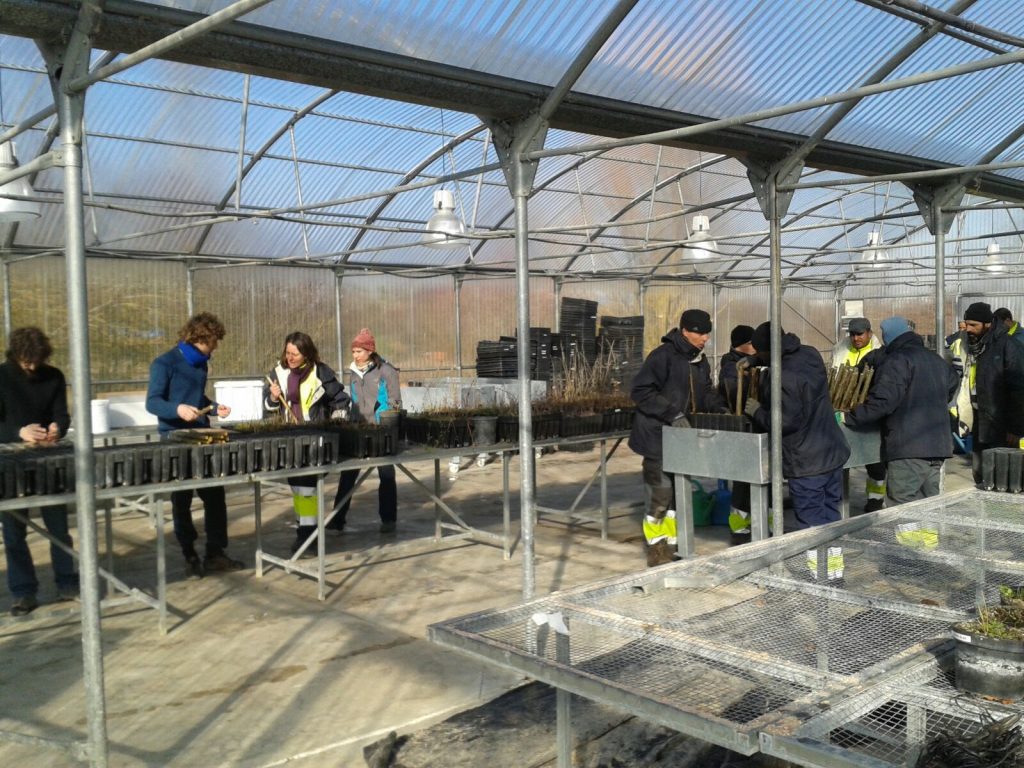
Working in the tree nursery with poplar and willow cuttings